Buying your bees
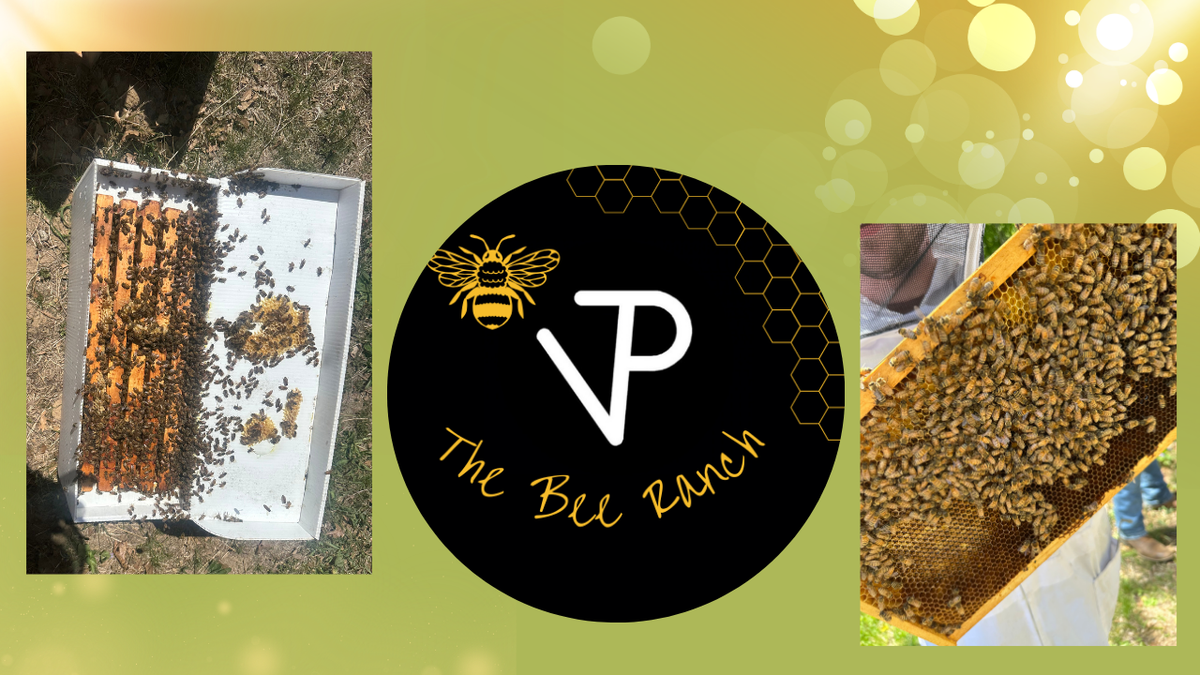
If you are thinking about beekeeping this season, now is the perfect time to start planning!
There are a few big things you will want to decide early:
Where will you buy your bees?
This is an important one and trust me, I have plenty of funny stories about buying bees from all kinds of places (I’ll save those for another post 😄).
When possible, try to buy from:
- A local beekeeper who has successfully overwintered bees in your area (my personal favorite). My goal is to sell nucs this spring but I will only have a few available.
- Or a reputable larger bee supplier. I have some suggestions if you send me a message or email I can share the best options.
Local overwintered bees are usually better adapted to your climate. They will have a much stronger start. Larger bee companies usually overwinter their bees in Georgia or California.
Nuc or Package — what’s the difference?
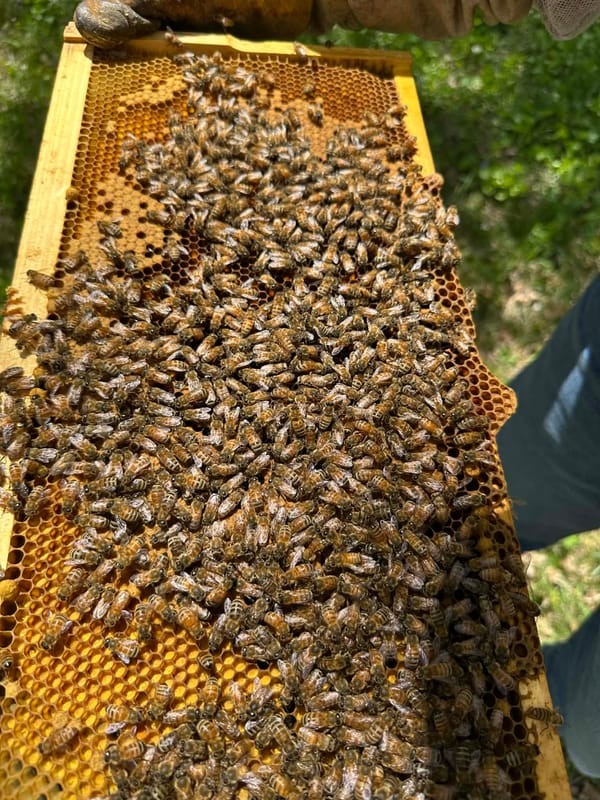
A Nuc (nucleus colony) includes:
- 3–5 frames
- A laying queen
- Brood (eggs and larvae)
- Honey & pollen stores
- Worker bees
A Package includes:
- Worker bees
- A mated queen (in a cage)
- No brood or drawn comb
If you live somewhere with a shorter season like we do, I strongly recommend starting with a nuc.
A nuc is more expensive but builds up faster, and is less stressful for beginners. It gives you a much better chance at success your first year.
Buying Equipment
Good news! You don’t need nearly as much equipment as you may think. Start with the basic supplies and grow if you want, but there are so many things we purchased that we never used.
I do recommend buying new equipment when possible.
If you choose to buy used equipment (we did too!), make sure you properly sanitize it. You will need to scorch the wood and freeze frames so you don’t accidentally introduce disease or pests from another apiary. This is super important! If you put the bees ( you just paid for) into used hives that you didn't properly clean it may not end well for you and I want you to have the best success!
🐝 Basic Beginner Beekeeping List
🐝 Bees
- 1 Nuc (recommended for beginners in colder climates)
or - 1 Package of Bees
🏠 Hive Equipment
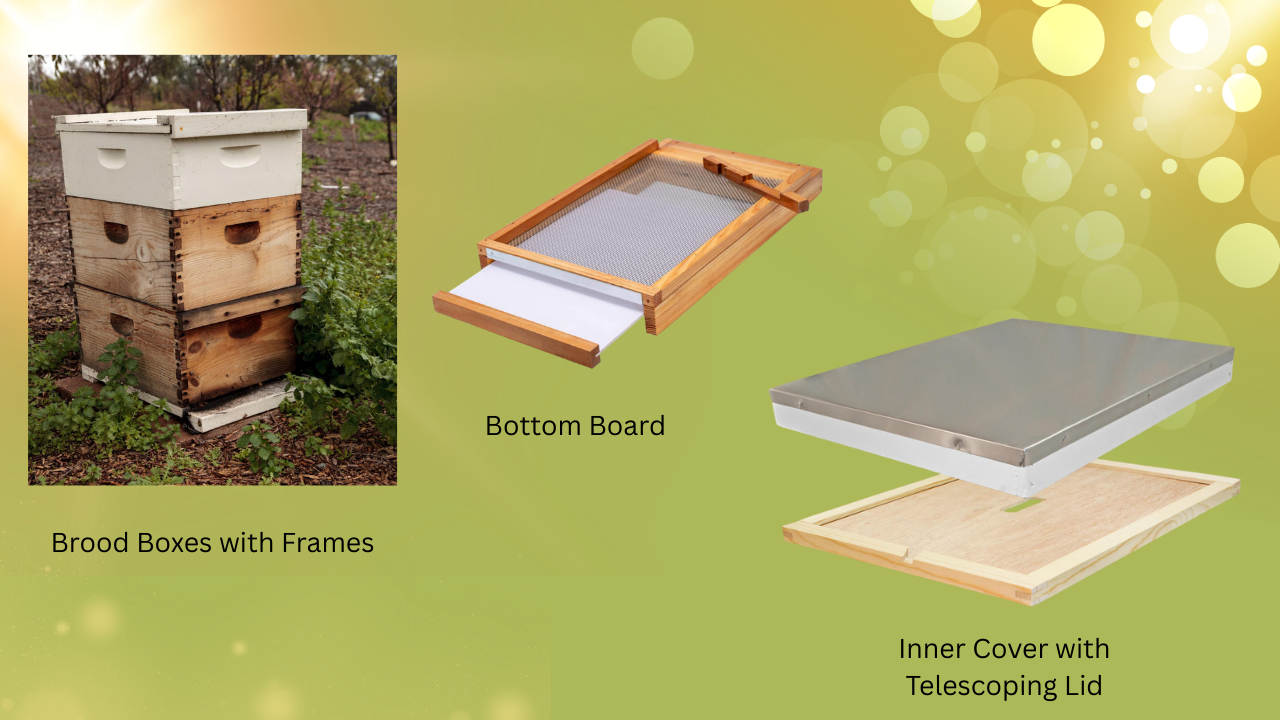
- Bottom board
- 1–2 Deep brood boxes
- Honey super (the shorter box)
- 8–10 Frames per box
- Foundation (if not pre-installed)
- Inner cover
- Outer (telescoping) cover
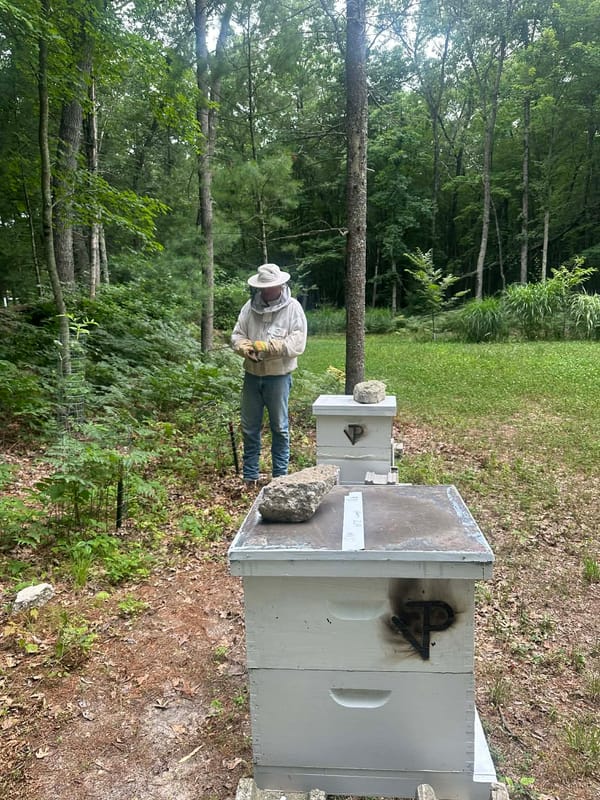
- Hive stand (keeps your hive off the ground)
🧰 Basic Tools
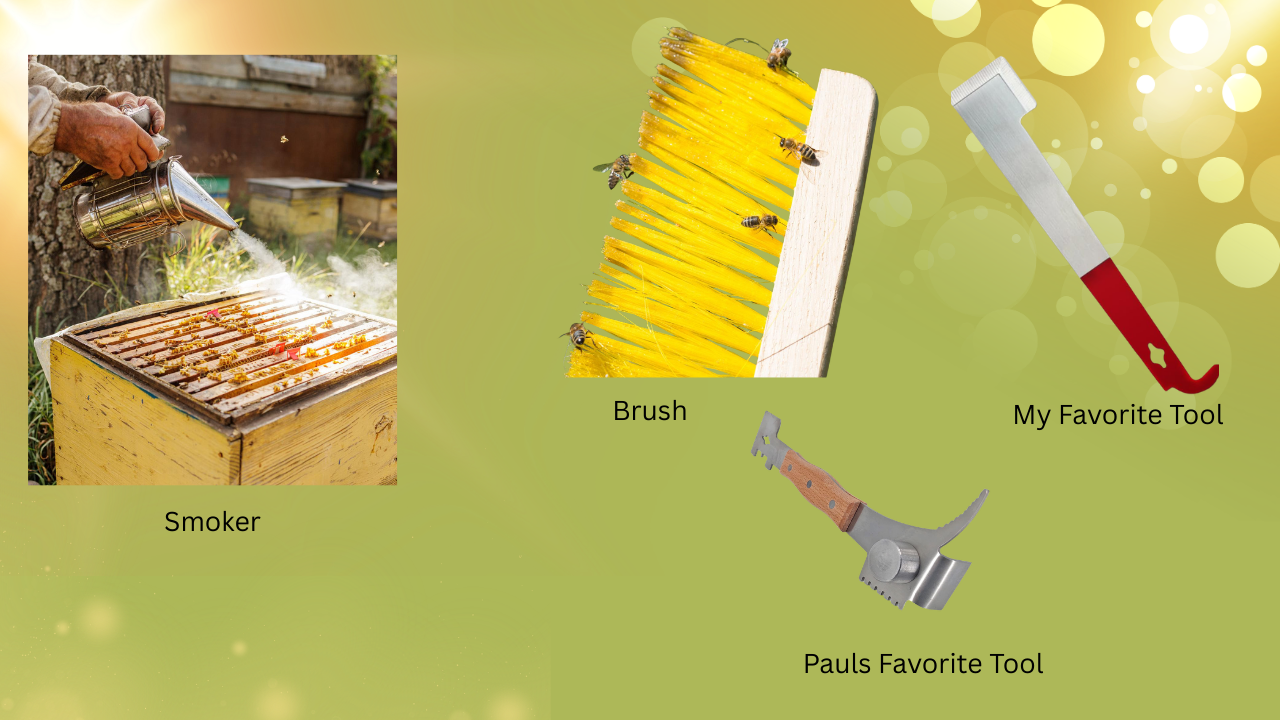
- Smoker
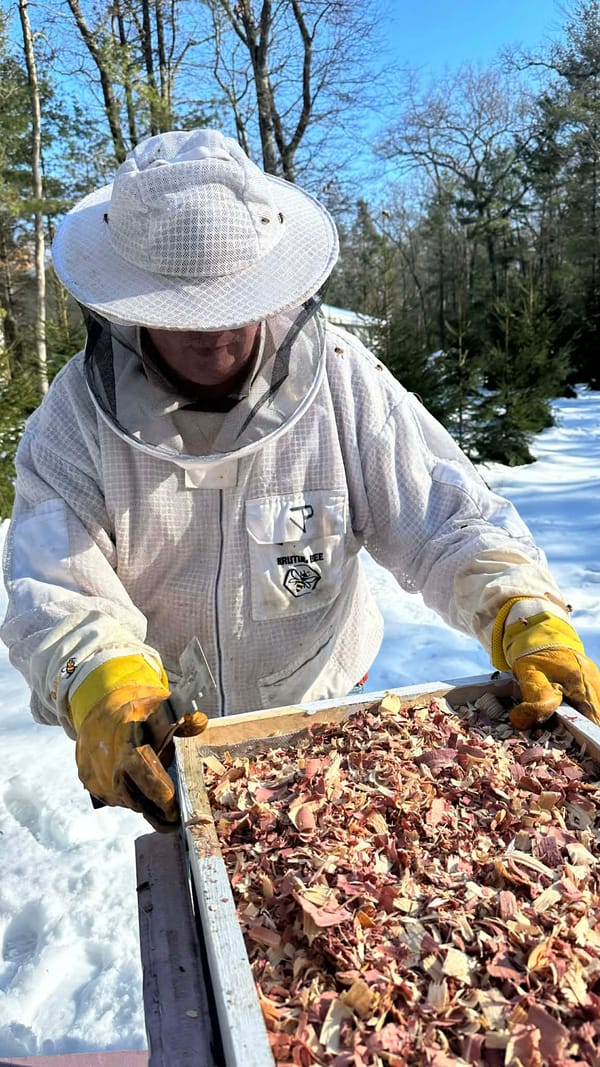
- Hive tool... my opinion is that my tool is better lol. Paul is slowly coming over to my side but he has used this tool pictured for 8 years so he is slow to change.
- Bee brush (optional but helpful)
👕 Protective Gear
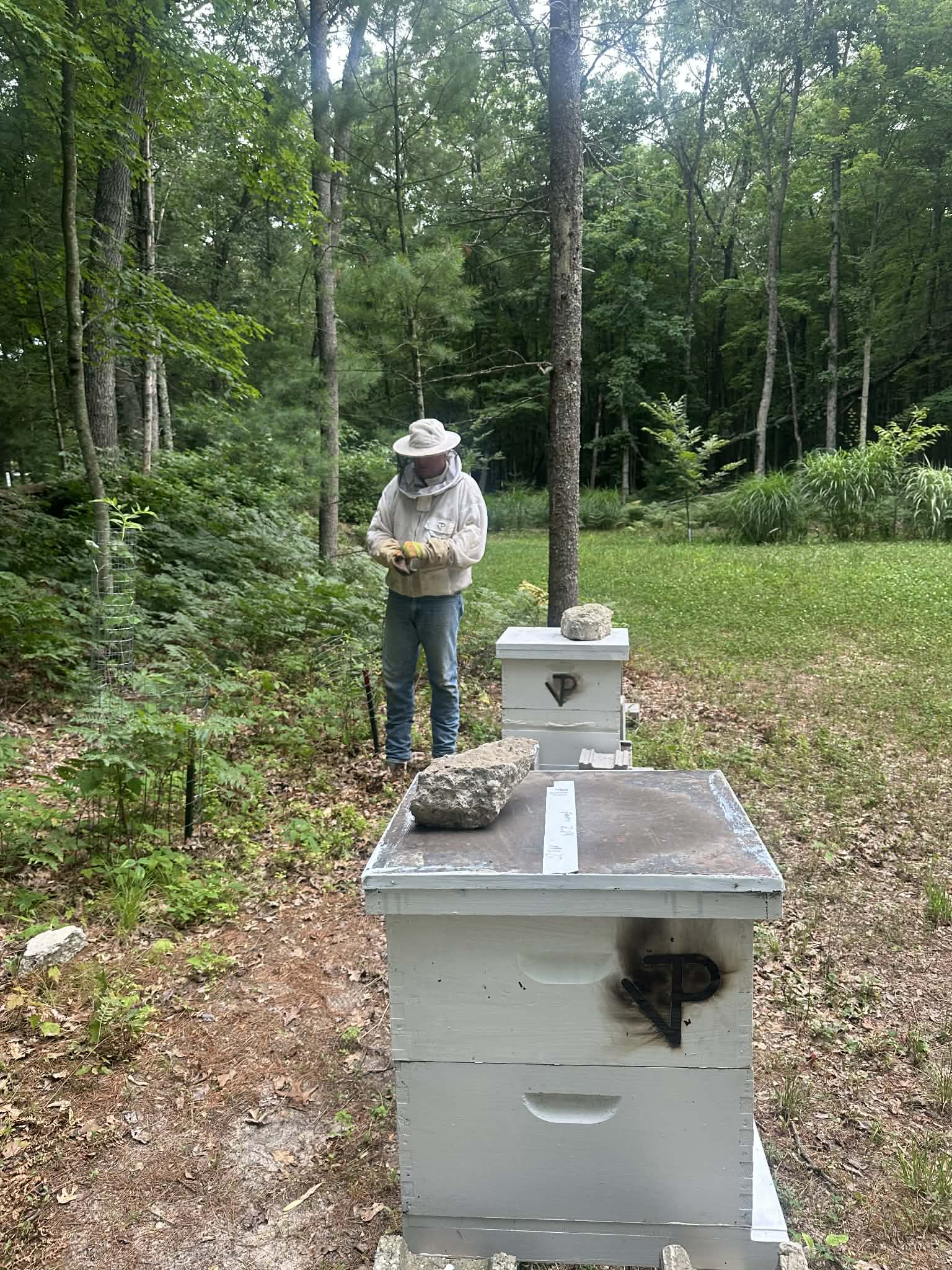
- Veil (at minimum)
- Jacket or full suit ( full suit is my preference)
- Gloves
🍯 Feeding Supplies (If Needed)
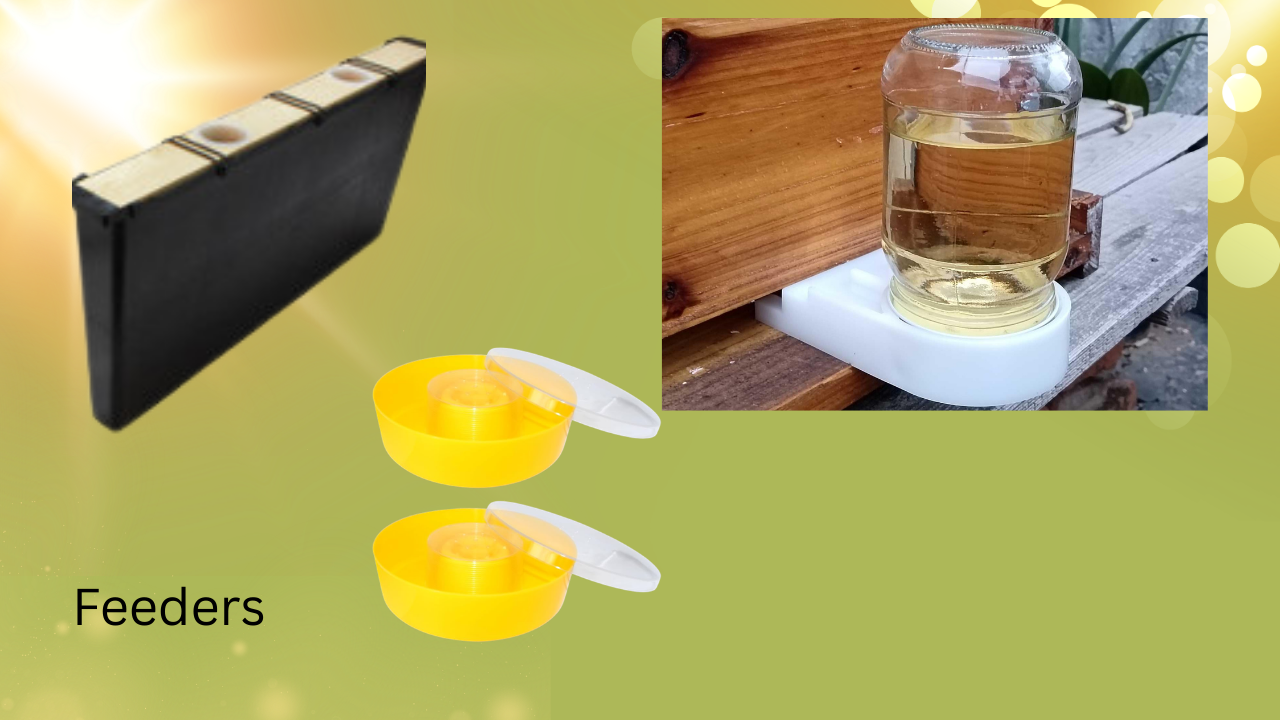
Feeding your bees is an important part of bee keeping. You will want to feed your bees in the spring to help them get a good start in the season. Feeding your bees will help them produce more wax and store up a food supply. When you start seeing trees and plants bloom you will want to pull off the feeders, and the bees will start filling there hives with nectar from the blooming flowers around the property. We will also supply our bees with Pollen early spring to help get them on a great start.
- Hive feeder (top feeder or entrance feeder)
- Sugar for syrup
- Pollen patties (optional, early spring)
✨ Beginner Tip:
You really don’t need everything at once. Start simple. Get your bees established. Add equipment as your colony grows.
See you next time at the BEE Ranch :)